Insuring a Wine Collection: What Homeowners Policies Usually Miss
Thinking of insuring a wine collection? Most homeowners policies aren’t built for this, but professional storage is here to help.

Wine tasting is both an art and a science, requiring a keen understanding of sensory perceptions and an appreciation for the subtleties that different wines offer. Developing your palate is a journey that enhances your wine enjoyment and allows you to discern the intricate characteristics of each bottle. Here’s a detailed look at the science behind wine tasting and how you can develop your palate.

Wine tasting engages all five senses, each playing a critical role in the overall experience.
Wines contain hundreds of volatile compounds that contribute to their aromas and flavors. These include esters, aldehydes, terpenes, and pyrazines. Understanding these compounds can help you identify specific notes in wine. For instance, esters often impart fruity aromas, while pyrazines can add green, vegetal notes.
Building a robust aroma vocabulary is crucial for describing and appreciating wine. Practice identifying common wine aromas such as citrus, berries, herbs, spices, and earthy notes. Using an aroma wheel can help you categorize and remember these scents. Regularly smelling fresh fruits, herbs, and spices can also sharpen your olfactory senses.

Proper tasting technique enhances your ability to perceive the full range of a wine’s characteristics. Here’s a step-by-step guide:
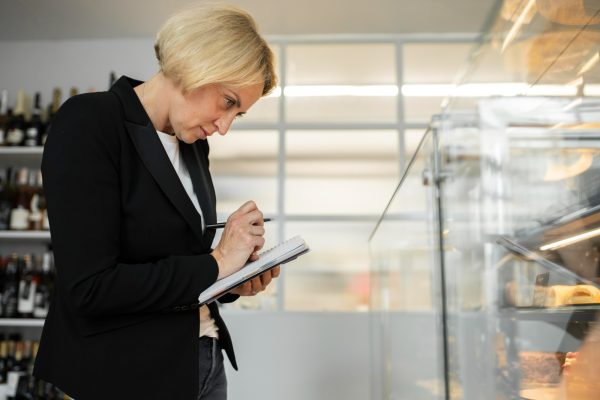
Developing your palate requires practice and exposure to a wide variety of wines. Attend tastings, join wine clubs, and experiment with different styles and regions. Take notes on each wine, recording your impressions and comparing them over time. This practice helps you recognize patterns and refine your tasting skills.
Food pairing can significantly influence your perception of wine. The right combination enhances both the wine and the food, creating a harmonious experience. Experiment with classic pairings, such as Sauvignon Blanc with goat cheese or Cabernet Sauvignon with grilled steak, and note how the flavors interact.

The shape and size of your glass can affect the aroma and flavor perception of wine. Different glass shapes are designed to highlight specific characteristics of various wine types. Invest in quality glassware and match the glass to the wine you are tasting to maximize your sensory experience.
The environment in which you taste wine can impact your sensory perception. A quiet, neutral space free from strong odors is ideal. Approach each tasting session mindfully, focusing solely on the wine and minimizing distractions.
Consider formal wine education courses and certifications, such as those offered by the Wine & Spirit Education Trust (WSET) or the Court of Master Sommeliers. These programs provide structured learning and deeper insights into wine tasting, production, and regions.
Wine tasting is a personal and evolving journey. Keep an open mind and be willing to try new wines and styles. Share your experiences with fellow wine enthusiasts and learn from each other. Most importantly, enjoy the process and savor the moments that each unique wine offers.
By understanding the science behind wine tasting and actively developing your palate, you can elevate your wine experience and deepen your appreciation for this timeless beverage. For personalized recommendations on new wines to taste, get in touch with one of our fine wine experts.
Thinking of insuring a wine collection? Most homeowners policies aren’t built for this, but professional storage is here to help.

Temperature gets all the attention in wine storage, but wine humidity is just as critical. Here’s what goes wrong when it’s not controlled.

When your futures allocation finally arrives, where it goes first matters. Professional storage should be step one of storing wine futures.