Insuring a Wine Collection: What Homeowners Policies Usually Miss
Thinking of insuring a wine collection? Most homeowners policies aren’t built for this, but professional storage is here to help.

Inheriting a wine collection only comes with some kind of instruction manual if you’re lucky.
Somewhere between the logistics of settling an estate and the emotional weight of the moment, you’re suddenly responsible for dozens, sometimes hundreds, of bottles that someone else spent years, or decades, carefully building, and you often have very little information about what’s actually there or what any of it is worth. It’s a strange position to be in.
If this is where you find yourself, the good news is that the situation is almost always more manageable than it first appears. It just requires a clear-headed sequence of steps rather than trying to figure everything out at once.
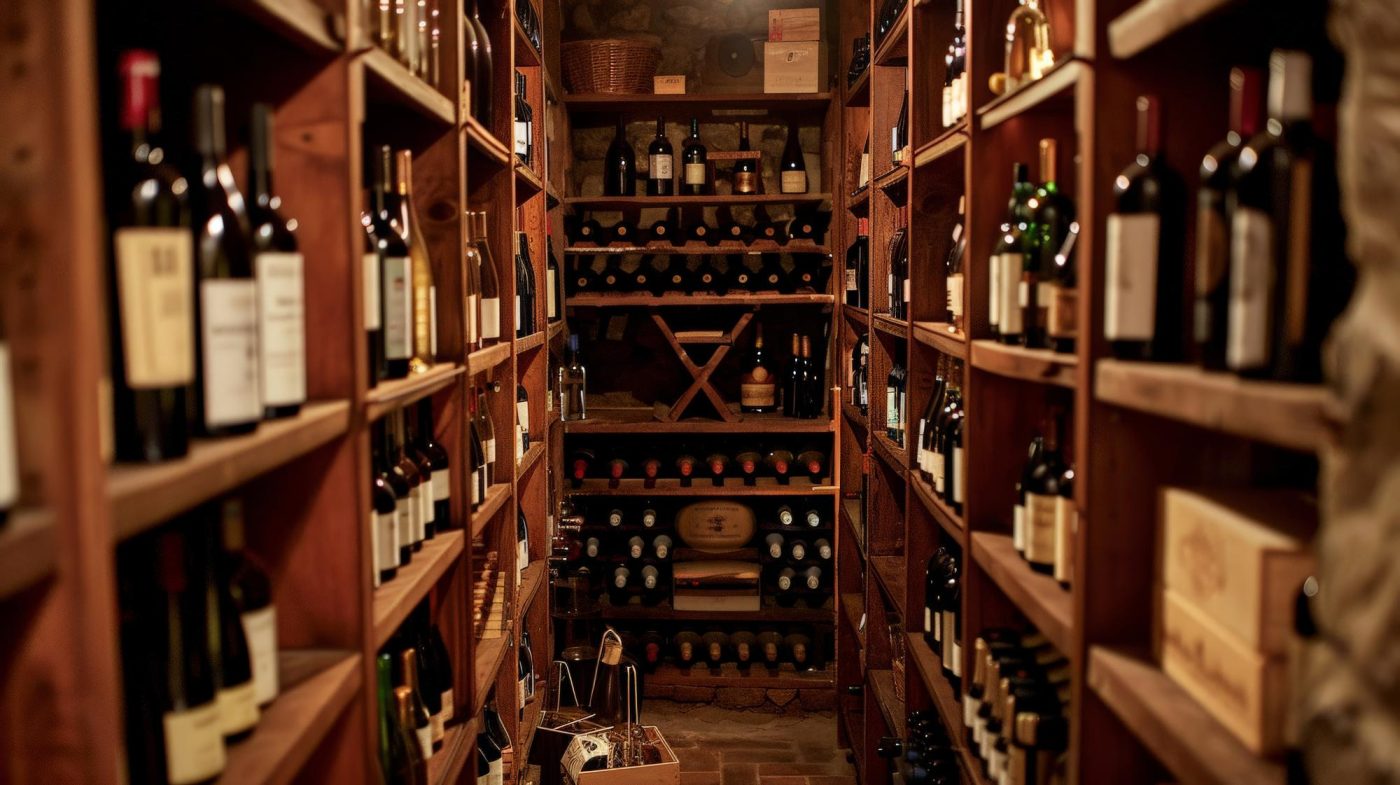
The first instinct for a lot of people is to either sell everything quickly to simplify the situation, or to leave it exactly where it is because dealing with it feels overwhelming. Both instincts are understandable, but can also end up costing you.
Selling before you know what you have risks giving away bottles worth far more than you realized, while leaving a collection sitting in whatever conditions it was already in, conditions you likely can’t verify, risks ongoing damage to wine that might be genuinely valuable.
The better first move is simply to pause and get a clear picture before deciding anything.
Go through the collection methodically and record what you find: producer, vintage, format, and quantity for every bottle.
This is tedious, especially with a collection you didn’t build yourself and don’t have context for, but it’s the necessary foundation for every decision that follows. If there’s any paperwork, purchase records, appraisals, insurance documentation, gather it alongside the physical inventory. Even partial records are useful, and they may tell you more about how the collection was stored and cared for than you’d otherwise know.
Pay close attention to labels, capsules, and fill levels as you go. These are early indicators of condition, and condition affects value significantly more than most people expect, two bottles of the same wine and vintage can be worth very different amounts depending on how well they were stored and how they’ve held up.
It’s tempting to assume an inherited collection’s value correlates neatly with how expensive or well-known the bottles look, but that’s not always the case.
Some producers and regions hold value far better than others, some vintages are considered exceptional while others from the same producer are unremarkable, and some bottles that look unremarkable to a non-collector are actually significant.
This is where getting a professional opinion matters. Without one, it’s easy to either dramatically undervalue something you assume is ordinary or overvalue something based on how the bottle looks rather than what’s actually in it.
Once you have a better picture of what you’ve inherited, the decision becomes clearer: keep it, sell it, or some combination of both.
Some heirs want to hold onto a collection as a connection to the person who built it, drinking through it slowly over the years. Others have no interest in wine collecting themselves and would rather convert it to something more useful.
The decision on what to do with a collection you inherited is worth giving yourself time to actually think through rather than defaulting to whichever option feels easiest in the moment, particularly while you’re still processing everything else involved in settling an estate.
Whatever you decide, the collection needs somewhere to actually live while you figure it out, and this is usually the point where professional storage makes the most sense, even for someone who never planned on becoming a wine collector.
Moving an inherited collection into a facility maintained at a constant 55°F, with controlled humidity and light protection, stops any further deterioration immediately, regardless of what condition the bottles were in before.
Just as importantly, our team inventories and photographs every bottle at intake, which does the documentation work you’d otherwise be doing manually, and builds a clear, dated record of what you have and its condition from this point forward. That record becomes the foundation for everything else, an accurate valuation, a decision about what to sell, or simply peace of mind about what’s actually sitting in your account.
For bottles you determine aren’t worth keeping, or if you decide the whole collection makes more sense converted to something else, our platform’s Christie’s integration means you can list wines for resale directly from your account once they’re documented and stored, without needing to coordinate a separate appraisal or auction process from scratch. And if you decide to keep some or all of it, that same account gives you visibility into what you have, live market values, drinking windows, and reviews, so you’re not managing an inherited collection blind.
An inherited wine collection can feel like an obligation you didn’t ask for, but it doesn’t have to be a burden you’re managing by yourself.
Getting the collection into a stable, professional environment quickly, then taking the time to actually understand what you have, turns an overwhelming situation into a manageable one, and protects whatever value is there while you decide what comes next.
Reach out to our storage team if you’d like help assessing and storing an inherited collection.
Thinking of insuring a wine collection? Most homeowners policies aren’t built for this, but professional storage is here to help.

Temperature gets all the attention in wine storage, but wine humidity is just as critical. Here’s what goes wrong when it’s not controlled.

When your futures allocation finally arrives, where it goes first matters. Professional storage should be step one of storing wine futures.