Insuring a Wine Collection: What Homeowners Policies Usually Miss
Thinking of insuring a wine collection? Most homeowners policies aren’t built for this, but professional storage is here to help.

There’s a version of wine collecting that’s purely about pleasure… finding bottles you love, drinking them with people you care about, and not thinking too hard about the numbers. And then there’s a version that looks a lot more like portfolio management. Increasingly, serious collectors are thinking about both at the same time.
Wine investing has moved well beyond a niche hobby. Fine wine has established itself as a recognized alternative asset class, alongside art, watches, and rare whisky. The right bottles, stored correctly and held at the right moment, can appreciate substantially. The wrong approach of buying without a strategy, storing carelessly, or selling at the wrong time, can cost you just as much.
This guide is for collectors who want to understand how wine investing actually works: which wines appreciate, why they do, how you track value, and what role proper storage plays in protecting that value over time.
Not all wine gets better with age, and not all wine increases in value.
Understanding the distinction is the starting point for any serious wine investing strategy.
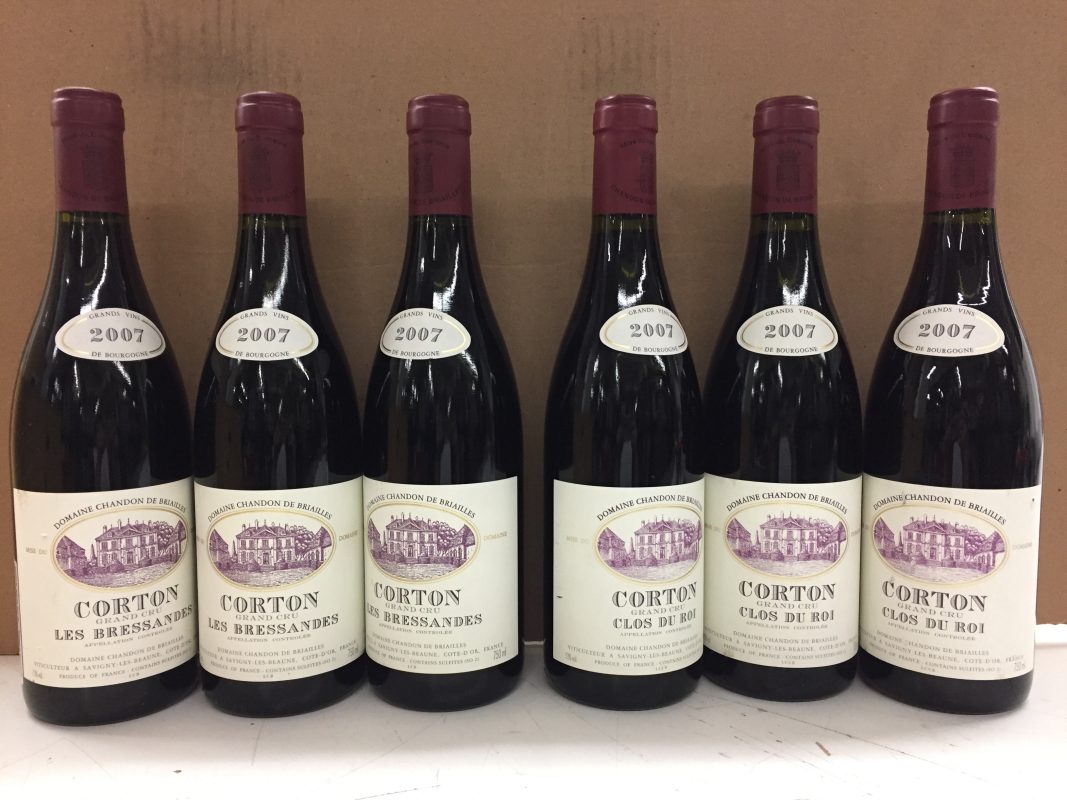
The wines that tend to appreciate fall into a fairly predictable category: they’re from prestigious, well-documented regions (Bordeaux, Burgundy, Champagne, Barolo, Napa Valley), from producers with established reputations, and from vintages that critics and the market have already identified as exceptional. When a wine is made in limited quantities, receives high scores from influential critics, and comes from a region with a track record of producing investment-grade bottles, the conditions for appreciation are in place.
The mechanism is simple: demand increases while supply decreases. Once a vintage is finished, no more of it can be produced. As bottles are opened and consumed over the years, the remaining supply shrinks. If demand from collectors, restaurants, and auction buyers remains strong or grows, and for the top wines, it usually does, prices rise.
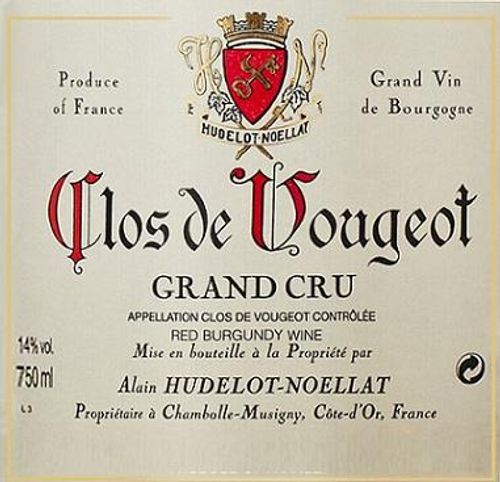
Bordeaux has historically been the backbone of the fine wine investment market. First Growth châteaux like Pétrus, Mouton Rothschild, and Lafite Rothschild have track records going back decades. Burgundy, particularly from producers like Domaine de la Romanée-Conti, has seen some of the most dramatic price increases of any collectible in the last twenty years. Champagne from prestige houses like Krug and Dom Pérignon has also found a strong following among investors.
If you’re approaching wine investing seriously, a few factors should guide your purchasing decisions:
Producer reputation. The most investable wines come from producers whose names carry weight in the auction market. This isn’t just about famous châteaux, it includes smaller domaines in Burgundy and elsewhere that command cult followings and genuine scarcity.
Vintage quality. Not every year is created equal. Great vintages consistently outperform average years on the secondary market. Understanding which vintages matter takes time, but it’s foundational to wine investing.
Format. Larger formats like magnums, double magnums, and jeroboams often appreciate more than standard 750ml bottles. They’re rarer, they age more slowly (which many collectors prefer), and they’re visually impressive at auction. If you have the option to buy larger formats of a wine you believe in, it’s often worth considering.
Provenance. How a wine has been stored matters enormously to buyers. A bottle with perfect storage history bought direct from the estate or a reputable retailer, stored in a professional facility with documented records, commands a premium over wine with unknown or questionable provenance.
One of the practical challenges of wine investing has always been visibility. How do you know what your cellar is actually worth today? Traditionally, you’d have to cross-reference auction results, consult price databases like Wine-Searcher, and do a lot of manual tracking. It worked, but it was slow and required real expertise to interpret.
Modern collection management tools have changed this. The Wine Cellarage’s digital storage platform gives clients real-time market pricing across their stored inventory — not estimates, but live market data that reflects what bottles are actually trading for. You can see the value of your collection at a glance, track how individual wines have moved over time, and get a clear picture of what your cellar represents as an asset.
The platform also tracks drinking windows, which matters for investors as much as it does for enthusiasts. A wine that’s approaching peak drinking age may be at its highest market value (the window to sell before it starts declining is finite!) Having that information visible and current means you’re making decisions based on real data, not guesswork.
Here’s the thing that separates serious wine investors from casual collectors: they treat storage as part of the investment, not an afterthought. And for good reason.
A bottle of 2016 Pétrus stored in an inconsistent environment can lose a significant portion of its value, not just in quality but in what a buyer will pay for it. Auction houses and sophisticated buyers scrutinize provenance carefully. A bottle that can’t demonstrate proper storage history is a bottle with a discount attached to it.
Professional wine storage at The Wine Cellarage means constant 55°F temperature, humidity control, protection from light and vibration, and 24/7 monitoring. For New York clients, wine insurance up to $25,000 is built directly into the storage program. Connecticut clients can add coverage as well. The documentation that comes with professional storage is the paper trail that protects the value of every bottle you hold.
Wine investing doesn’t require a massive budget to start. Many collectors begin by simply being more intentional about what they buy, choosing producers and vintages with market track records, buying in quantities that allow them to hold some bottles and drink others, and ensuring their storage conditions are actually up to standard.
If you’re storing wine in a residential wine fridge or a home cellar with inconsistent climate control, that’s the first thing worth addressing. The finest bottle in the world loses its investment case if it’s been compromised by poor storage.
The Wine Cellarage works with collectors at every level — from those just beginning to think about their collection as an asset to high-volume investors managing multi-six-figure portfolios. Get in touch to learn more about our storage program, collection management platform, and how our Christie’s integration can support your wine investing strategy.
Thinking of insuring a wine collection? Most homeowners policies aren’t built for this, but professional storage is here to help.

Temperature gets all the attention in wine storage, but wine humidity is just as critical. Here’s what goes wrong when it’s not controlled.

When your futures allocation finally arrives, where it goes first matters. Professional storage should be step one of storing wine futures.