Insuring a Wine Collection: What Homeowners Policies Usually Miss
Thinking of insuring a wine collection? Most homeowners policies aren’t built for this, but professional storage is here to help.

Wine tasting is an art that grows richer with time and practice. For the serious wine enthusiast, mastering advanced wine tasting techniques is about more than just sipping wine. It’s about engaging every sense to understand and appreciate the craft behind each bottle. In this in-depth post, we explore sophisticated tasting methods that reveal the true character of fine wines and elevate your tasting sessions to an expert level.
Wine tasting has evolved significantly from its origins. What once involved noting simple flavors has become a sophisticated practice where experienced tasters evaluate a wine’s aroma, structure, texture, and finish with both scientific precision and artistic expression. As your understanding grows, you begin to notice the subtle influences of terroir, production methods, and aging techniques that shape a wine’s personality.
Advanced wine tasting is about observation and interpretation. It transforms the casual act of sipping into a journey through a winemaker’s decisions and a vineyard’s natural environment. Every bottle holds a narrative, and the more refined your technique, the more vividly that story comes to life.

Before diving into tasting, the setting matters more than you might think. The right environment allows you to focus and truly experience every nuance of the wine.
Start with lighting. Soft, natural light is ideal for evaluating a wine’s color, but neutral artificial lighting works well too, as long as it doesn’t distort the hue. Keep your tasting area free from strong scents or vibrant colors that could distract the senses. A neutral table surface and light background will help you see the true color and clarity of the wine.
Temperature also plays a key role. Reds should generally be served between 60–65°F (15–18°C), while whites and rosés shine at slightly cooler temperatures, around 50–55°F (10–13°C). Keep water and palate cleansers like plain crackers nearby to reset your senses between tastings. These small details can make a big difference in how you experience each glass.
Advanced wine tasting often follows a refined version of the classic Five S’s: See, Swirl, Smell, Sip, and Savor. Each of these steps offers a window into the wine’s identity.
See: Start by visually evaluating the wine. Look at its clarity, brilliance, and color in a well-lit glass. Notice how the hue shifts from the rim to the center. Red wines may develop brick or orange tones as they age, while whites darken slightly with time. You might also observe the “legs” or “tears” on the inside of the glass, which can indicate alcohol or sugar levels.
Swirl: Gently swirling the wine introduces oxygen and awakens its aromatic compounds. This motion enhances the bouquet, especially when using a tulip-shaped glass designed to concentrate aromas at the top. A well-executed swirl is both functional and graceful.
Smell: Your sense of smell is one of the most powerful tools in wine tasting. Begin by taking in the primary aromas that come from the grape itself, such as fruity or floral notes. Secondary aromas might include vanilla, toast, or spice from fermentation and oak aging. Tertiary aromas, developed over time, often include earthy, leathery, or nutty characteristics. The more you practice, the more layers you’ll begin to detect.
Sip: As the wine hits your palate, notice the immediate impression, often referred to as the “attack”. As the wine evolves in your mouth, look for complexity in flavor, structure, and texture. Does it feel silky, bold, crisp, or tannic? The finish, or how long the flavor lingers after swallowing, is often an indicator of quality and craftsmanship.
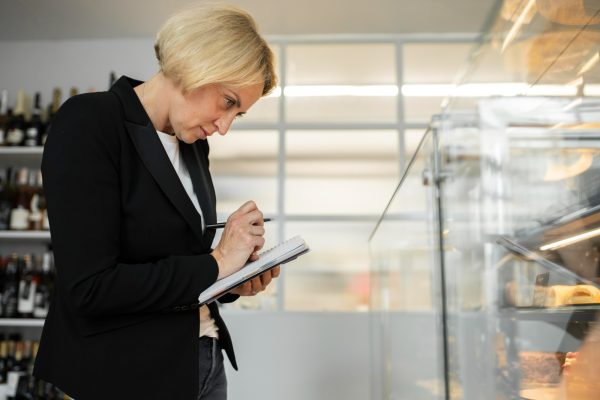
Savor: After tasting, take a moment to reflect. Jot down your observations in a tasting journal, noting everything from visual impressions to flavor profiles and personal ratings. Over time, this record will become an invaluable tool for honing your preferences and expanding your palate.
Even the most seasoned wine lovers can continue to refine their skills. Advanced techniques like blind tasting, where labels and regions are hidden, help remove bias and challenge your sensory recall. This is where the real detective work begins — identifying varietals, regions, and vintages based on aroma, taste, and structure alone.
Aromatic training kits are also excellent tools for developing a sharper sense of smell. These kits isolate scents commonly found in wine like blackcurrant, leather, or green pepper so you can practice identifying them individually before encountering them in a wine.
Food pairing is another way to expand your appreciation. The interplay between wine and food can highlight or soften certain characteristics. A rich dish might tame a wine’s tannins, while a citrusy plate can amplify a crisp white’s acidity. Experimentation when learning the best practices of wine tasting is key.
Advanced tasting isn’t just about what’s in the glass — it’s about understanding how it got there. A wine’s terroir, – the unique combination of soil, climate, and topography— imprints distinct characteristics on the final product. Mineral notes, floral tones, or a particular earthiness can often be traced back to the environment in which the grapes were grown. Equally influential are winemaking techniques. Oak aging, fermentation style, and even decisions around harvesting and blending contribute to a wine’s profile. The more you learn about these practices, the deeper your appreciation becomes.
Modern tools can enhance your tasting practice. Wine tasting apps now offer features like tasting note databases, digital journals, and even AI-driven food pairings. They’re a great way to track your wine journey and connect with a broader community of enthusiasts. At the same time, there’s beauty in establishing a personal tasting ritual. Whether it’s choosing a favorite glass, playing soft music, or dedicating time each week to try something new, a consistent practice deepens both your enjoyment and your expertise.
Nothing compares to tasting wine where it’s made. Travel to iconic regions like Bordeaux, Napa Valley, or Mendoza brings the culture, climate, and people behind the bottle into vivid focus. These experiences create lasting memories and enrich your understanding far beyond what you can read or sip at home. Whether you’re drawn to the tradition of European vineyards or the innovation of emerging wine countries, every trip adds a new layer to your wine journey that will strengthen your palate and expertise in wine tasting.
Advanced wine tasting is a lifelong exploration. It’s part science, part art, and always full of discovery. With every glass, you’re uncovering layers of history, technique, and nature’s influence. By refining your environment, practicing sensory skills, and understanding the wine’s backstory, you’ll unlock deeper levels of appreciation and pleasure.
For more wine wisdom and inspiration, browse our Fine Wine Blog and let your tasting journey continue.
Thinking of insuring a wine collection? Most homeowners policies aren’t built for this, but professional storage is here to help.

Temperature gets all the attention in wine storage, but wine humidity is just as critical. Here’s what goes wrong when it’s not controlled.

When your futures allocation finally arrives, where it goes first matters. Professional storage should be step one of storing wine futures.