Insuring a Wine Collection: What Homeowners Policies Usually Miss
Thinking of insuring a wine collection? Most homeowners policies aren’t built for this, but professional storage is here to help.

Most wine purchases are simple: you find a bottle you want, you buy it, it arrives at your door. Wine futures, though, work differently. You’re buying wine that doesn’t exist yet as a finished product and committing to a case or more from a harvest that’s still aging in barrel, sometimes a full year or two before it will be bottled and shipped.
It sounds unusual, but for serious collectors, buying wine futures is one of the most reliable ways to access great bottles at below-market prices and secure wines that will be nearly impossible to find once they’re released.
Wine futures (also called en primeur in France) are pre-release purchases of wine that is still aging in barrel at the winery. When you buy wine futures, you’re entering into an agreement to receive a specific allocation of wine from a given vintage once it has been bottled, labeled, and shipped, which typically takes one to two years from the time of purchase.
The price you pay is locked in at the time of the futures offer. The idea is that the winery, or the importer or merchant selling on their behalf, offers bottles at a lower price than the wine will command once it’s in the market. In exchange, you’re accepting the wait and a small amount of risk.
For buyers, the appeal is twofold: price and access. Wines from top estates in premier vintages often sell out the moment they’re released or command a significant premium on the secondary market. Futures let you get ahead of that.

Wine futures exist across several regions, but two dominate the category:
Bordeaux is where the en primeur system originated and remains most formalized. Each spring, following the harvest, producers open their châteaux to critics and buyers for barrel tastings. Shortly after, merchants release allocation offers kicking off the official “campaign.” Châteaux like Mouton Rothschild, Pétrus, and Lynch-Bages participate, and top vintages (2010, 2016, 2022) generate significant collector interest.
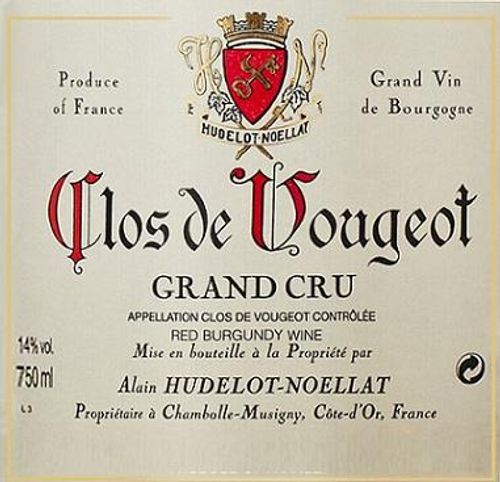
Burgundy operates somewhat differently. Estates are smaller, allocations are tighter, and the futures model is less formalized. However, pre-release purchasing is common for sought-after producers like Armand Rousseau, Méo-Camuzet, and Domaine Leroy. Access often comes through relationships with importers or merchants who hold allocations.
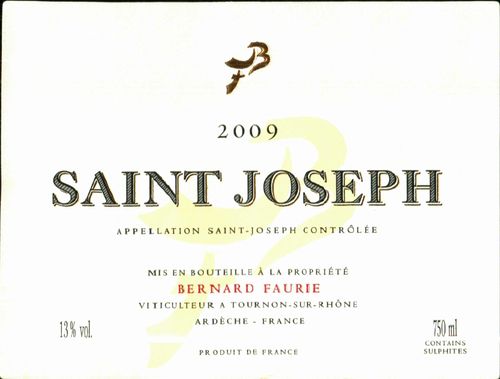
Other regions like Barolo, the Rhône, and Champagne also offer futures from time to time, particularly for prestige cuvées and exceptional vintages.
The typical wine futures process looks like this:
The window to buy is usually short, especially for wines from top estates in strong vintages. Demand moves fast.
Wine futures come with real risks that every buyer should understand before committing:
Winery or merchant failure. You’re paying for wine that doesn’t exist yet as a finished product. If the merchant you purchased through goes out of business before your wine ships, recovering your money can be difficult. Buy through established, reputable merchants with a track record in the futures market.
Vintage variability. Early barrel samples don’t always predict how a wine will develop in bottle. A vintage that looks exceptional in April can sometimes underperform once bottled, and guess what? You’ve already paid. Most sophisticated buyers take this into consideration and purchase from regions and producers they know well.
Currency and tariff exposure. Many futures are priced in euros. Exchange rate shifts between the time you buy and the time you pay final duties can affect your effective cost. Tariff changes, which have been relevant for European wines in recent years, can also affect the final landed price.
The wine may not appreciate as expected. Futures are often purchased with an eye toward value and the idea that you’re buying below future market price. That thesis doesn’t always play out. If a vintage disappoints critical consensus after release, futures buyers may find they paid more than the wine is trading for.
This is where many first-time futures buyers underestimate what’s involved.
When your futures allocation ships, typically 12 to 24 months after purchase, it will arrive as finished wine that needs to be stored properly and immediately.
Where will the wine go? If you’re storing at home, your storage setup needs to be ready with the right temperature (ideally 55°F), stable humidity (60–70%), no light exposure, and minimal vibration. If you’re sending to a professional facility, you’ll want to arrange that ahead of the delivery date.
How long will you hold it? Wines purchased en primeur are almost never meant for near-term drinking. A 2022 Bordeaux first growth purchased as futures might not be at its best for 15–25 years. Your storage plan needs to account for long-term holding, not just receiving the shipment.
Will the wine need to rest? Wines that have been bottled, shipped internationally, and transported can benefit from a rest period before evaluation, typically up to several months. Plan to leave them undisturbed after arrival.
What documentation will you keep? The provenance record starts the moment the wine ships. Keep your purchase invoices, shipping records, and storage documentation together. This matters for insurance purposes, and it significantly affects resale value if you ever want to sell.
For collectors purchasing meaningful quantities, professional storage is always the right answer. It keeps the wine in ideal conditions from day one, builds a documented provenance chain, and eliminates the risk of a home storage failure over a decade-long hold.
Wine futures make sense for collectors who:
If you’re new to collecting, futures can be a compelling entry point, but go in with clear expectations. The potential for price appreciation is great, but so are the risks, and the timeline is long. Start with a modest allocation from a region you’re excited about, work with a reputable merchant, and make sure your storage plan is in place before your bottles arrive.
The wine will be worth the wait. But only if it’s been stored properly from the moment it lands.
The Wine Cellarage offers professional storage for wine futures arrivals, with full inventory management, climate-controlled facilities, and documented provenance from day one. Learn more about our storage program.
Thinking of insuring a wine collection? Most homeowners policies aren’t built for this, but professional storage is here to help.

Temperature gets all the attention in wine storage, but wine humidity is just as critical. Here’s what goes wrong when it’s not controlled.

When your futures allocation finally arrives, where it goes first matters. Professional storage should be step one of storing wine futures.